Back to the front page
American History

40 Facts About the Japanese Who Refused to Surrender After WWII Had Ended

Hiroo Onoda - Ishinosuke Uwano
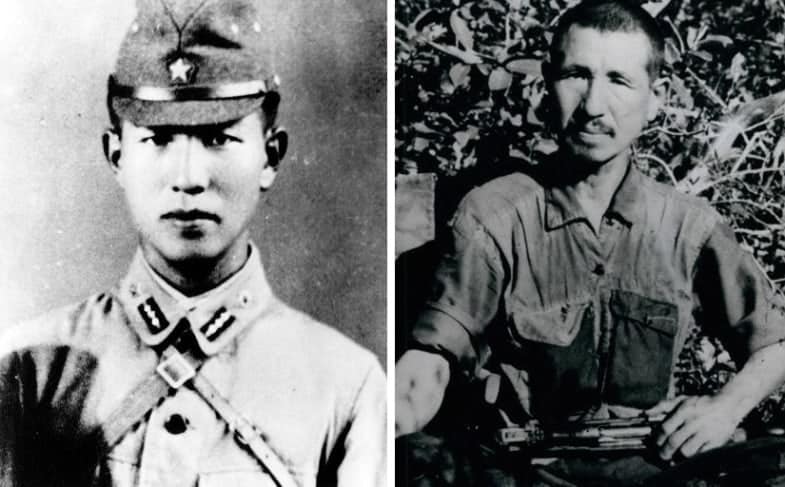
Hiroo Onoda, a Japanese soldier who kept fighting for nearly three decades after WWII had ended. Observer
Advertisement

Ei Yamaguchi in Peleliu, decades after the war’s end. US Naval Institute

29. Yamaguchi’s Last Minute Surrender

A holdout was captured in April of 1947, and when interrogated, he revealed that his comrades did not believe that Japan had surrendered, and growing desperate, were contemplating a suicidal banzai attack to go out in a blaze of glory. American authorities hurriedly secured letters from the holdouts’ families, informing them that the war was over and urging them to surrender. They also flew in a Japanese admiral to confirm the news. That finally did the trick, and on April 21st, 1947, the holdouts emerged from their caves and marched to the island’s headquarters building. There, lieutenant Yamaguchi saluted, bowed, and ceremoniously surrendered his sword and his command.

Written by

A lifelong history buff, I developed a particular passion for WW2 history as a child, when I spent hours listening to my grandfather, enraptured, as he recounted his wartime experiences in the British East African Campaign and with the British 8th Army in North Africa.

I graduated with a history BA from George Mason University, then went on to get a JD from the University of Virginia School of Law. After lawyering for a decade, I moved to sunny Rio de Janeiro and a less demanding career, opening a tourism agency in Copacabana.

A big chunk of my free time is spent blogging (you can follow me on Quora https://www.quora.com/profile/Khalid-Elhassan ) or freelance writing, mostly about my favorite subject, history.

Advertisement

Keep reading