Buried machinery in barn lot in Dallas, South Dakota, United States during the Dust Bowl, an agricultural, ecological, and economic disaster in the Great Plains region of North America in 1936. United States Department of Agriculture/Wikimedia Commons/Public Domain.
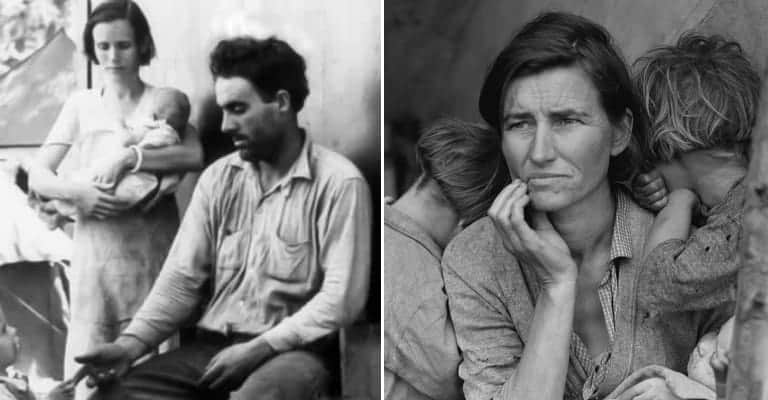
10. Some People Remained Dirt Poor
A special “Indian New Deal” was enacted to try to help Native Americans living on reservations, but for the most part, they remained desperately poor. One long-lasting benefit of the reforms, though, was that they were granted greater tribal autonomy through a reversal of the 1887 Dawes Severality Act.