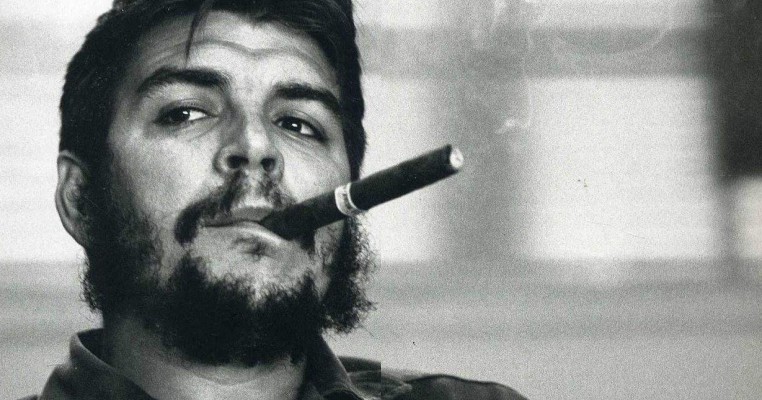
15. Che Guevara Died With Some Defiant Last Words

Ernesto “Che” Guevara (1928 – 1967) rose to prominence during the Cuban Revolution, and gained international fame thereafter as a guerrilla warfare innovator, author, and diplomat. His image became a romantic icon of anti imperialism, and after his death, he was regarded as a martyr by leftists worldwide. He was instrumental in defeating the Bay of Pigs Invasion in 1961, was a key player during the Cuban Missile Crisis in 1962, travelled the world as a diplomat, and gave a notable speech before the UN in 1964, condemning US foreign policy, and apartheid in South Africa.
In 1965, he left Cuba to fight in revolutions around the world, going first to the Congo, where he trained guerrillas, then to Bolivia in 1966, aiming to start a revolution there. Things did not work out in Bolivia, however. Guevara was captured in 1967, and the Bolivian president ordered his execution. When his designated shooter entered Guevara’s room, Che noticed that he appeared jittery and nervous. He scornfully uttered what would be his last words: “I know you have come to kill me. Shoot, coward! You are only going to kill a man!“


