3 – It Doesn’t Always Work the First Time
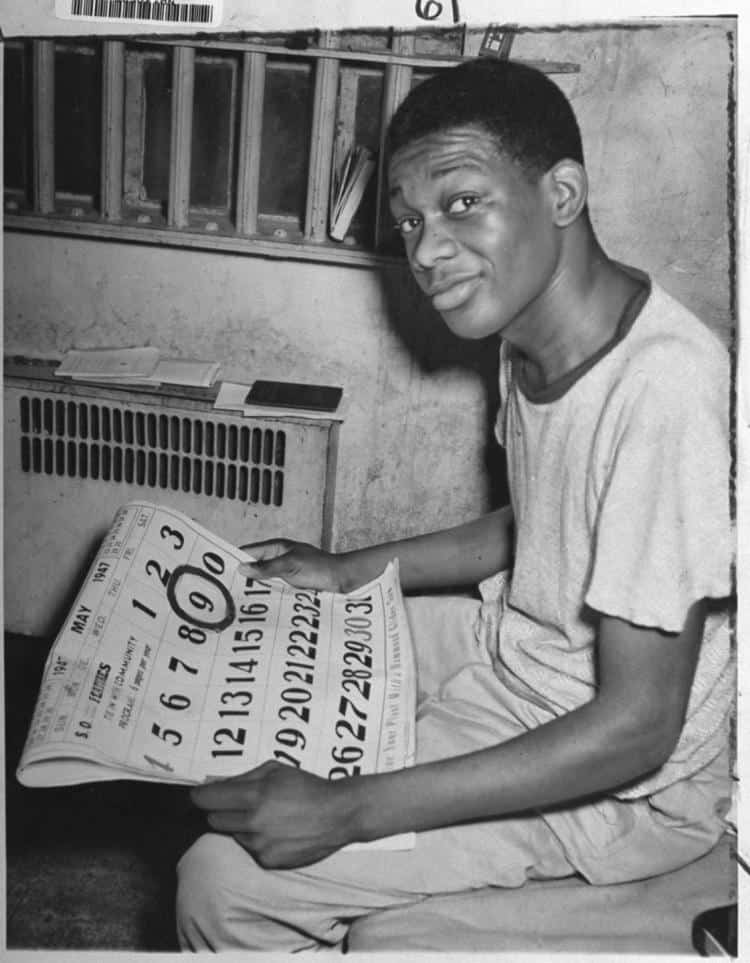
For all the problems associated with the chair, at least it eventually does the job, right? Not always, as the unfortunate Willie Francis discovered in May 1946. Francis was an African-American juvenile offender who received the death sentence despite being just 16 years of age. He was arrested for the murder of a pharmacist named Andrew Thomas in Louisiana. Thomas died in 1944, but his murder remained unsolved for nine months. In August 1945, Francis was picked up on another charge, and Thomas’ wallet was found in his pocket.
There has always been an element of doubt about his guilt. Although he confessed to the murder amidst suggestions that Thomas molested him, Francis admitted to the murder with no counsel present. The trial lasted slightly more than a day, and there was hardly any evidence barring the wallet and his possibly coerced confession. Worse still, Francis’ court-appointed attorneys didn’t bother mounting a defense and called no witnesses.
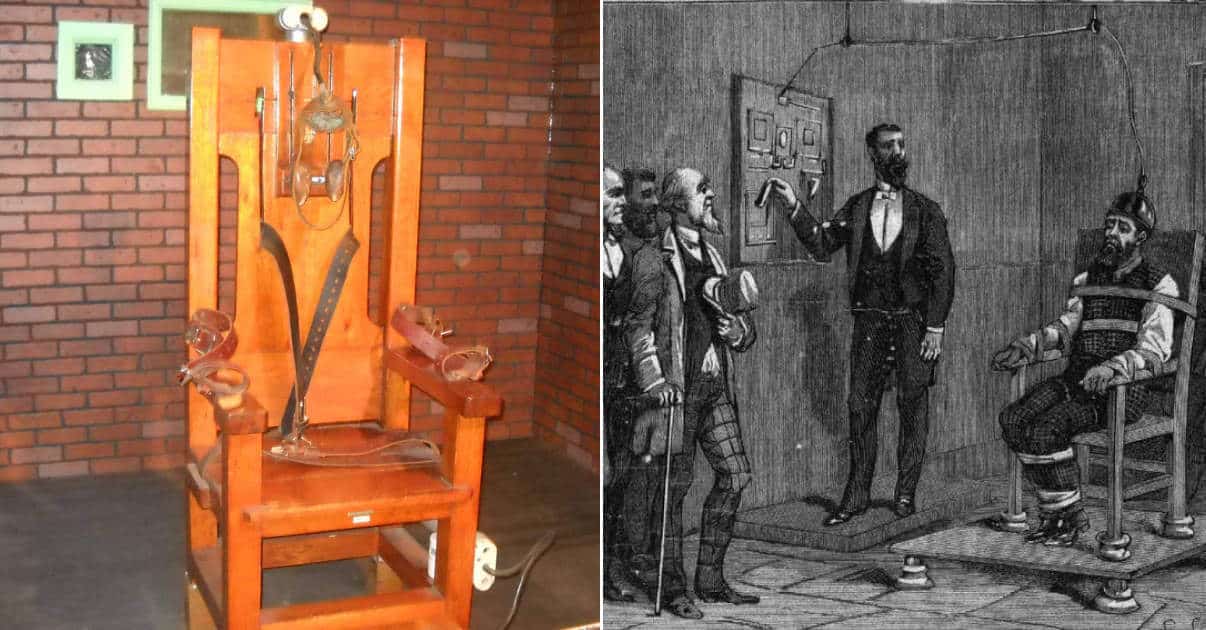
The jury, comprised of 12 white men, took just 15 minutes to find Francis guilty. It was later revealed that a deputy sheriff in the area had threatened to kill Thomas. His gun was found near the scene but it, along with the bullets, vanished from police evidence before the trial. On May 3, 1946, Francis was strapped to the electric chair, and the switch was thrown. However, the chair did not do its job, and Francis reportedly screamed “I am not dying” and begged for the prison officers to take off the leather hood. As it transpired, the chair, nicknamed ‘Gruesome Gertie’, was incorrectly set up by a drunk prison guard in Louisiana State Penitentiary.
Sheriff E. L. Resweber showed no sympathy and said: “This boy really got a shock when they turned that machine on.” After the failed execution, Bertrand DeBlanc, a young attorney, decided to take on Francis’ case because he believed the young man should not be subjected to cruel and unusual punishment once again. Despite DeBlanc’s spirited defense, the Supreme Court rejected the appeal and Francis sat in the chair for a second time on May 9, 1947. On this occasion, the execution went according to plan, and the 18-year old Francis died; for a crime, he probably didn’t commit.


