17. The custom of desserts at the end of a meal began in the medieval period

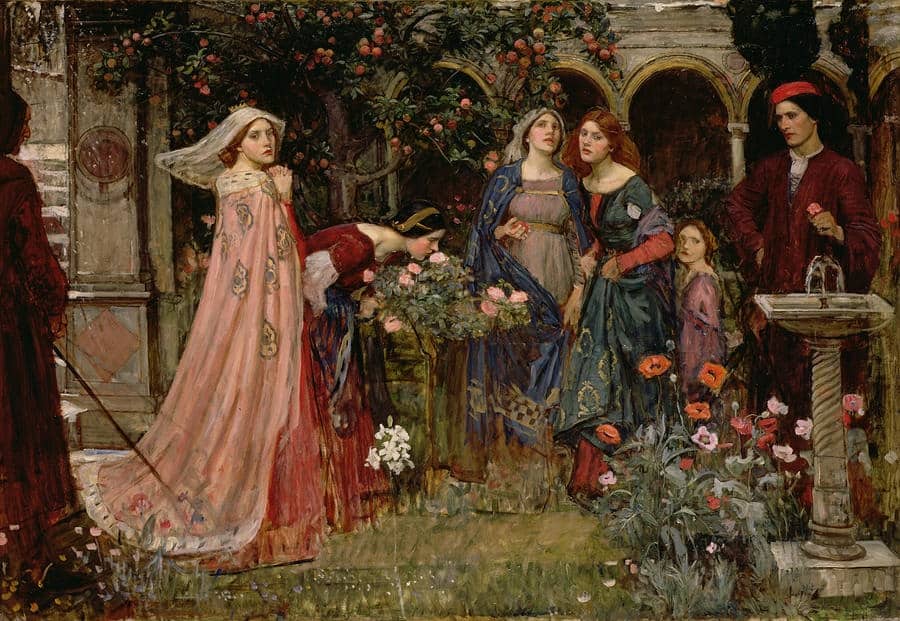
Once more in a nod to the need to maintain health through ensuring balance of the humors, during the medieval period the course known today as dessert became common, for those who could afford to eat well. It consisted of foods which were believed to help close the digestive organs, allowing them to go about their task uninterrupted. Foods believed to be suitable for the purpose were cheese and some fruits. In the beginning, they were sometimes sweetened with honey. As time went on fresh fruits began to be replaced with concoctions similar to today’s preserves. In winter months, snow mingled with such preserves became an early form of ice cream.
By the mid-14th century marzipan – a confection made with honey or sugar and dried, ground almonds – appeared in France and Italy, probably another item brought back to Europe from the Turks. Desserts became more elaborate affairs during the 14th century, with baked goods in the form of rudimentary cookies and waffles appearing on tables. Sugar, expensive and rare, and valued for its medicinal properties, was used when the wealthy wanted a dessert to both to please and impress guests. Sweetened custards, candied fruits and nuts, and tarts filled with fruits all emerged to close the stomach at the end of the meal during the medieval period, often accompanied with mulled wine.


