
Zersetzung
The methods by which the Stasi spread their wings within East German society were astounding. The concept of Deutsche Gründlichkeit or “German Thoroughness”, the stereotype by which Germans are seen as efficient and dedicated to detail, might have been invented for the Stasi. Their obsession with knowing everything, with record-keeping and clandestine monitoring is legendary. This ran the gamut from traditional surveillance methods such as informers, tapping phones and intercepting mail to truly bizarre practices such as voyeuristic pinhole cameras in hotel rooms and taking skin and sweat samples from interrogation rooms.
While previous secret police in Germany were limited by technology, the Stasi were children of the technological age and put all the post-war advances in miniaturization to their use. They would break into a suspect’s house while they were out and place tiny microphones behind light switches, in the corners of rooms, underneath cabinets and more to eke out every word that was uttered in the house. Alongside that, every telephone conversation would be monitored, with an estimated staff of 2,000 Stasi officers whose sole job was listening in on the phone calls of suspected dissidents. House renovations in East Berlin still occasionally uncover wires and microphones dating back decades.
A key difference between the surveillance of the Stasi and that of the Gestapo – aside from the huge advances in technology on which they could call – was the time that they had to perfect their methods. The Nazi regime lasted from 1933 until the end of the Second World War, just 12 years in total, while the Deutsche Demokratische Republik was in place for over four decades. By the end of the communist government in the early 1990s, the Stasi had a population that by and large had grown up with the idea of agents being everywhere and who understood that the political police were as much a fact of life as the trains and the buses. That says nothing of the years of research and development that went into perfecting methods of surveillance. They even had a word for it: “Zersetzung”.
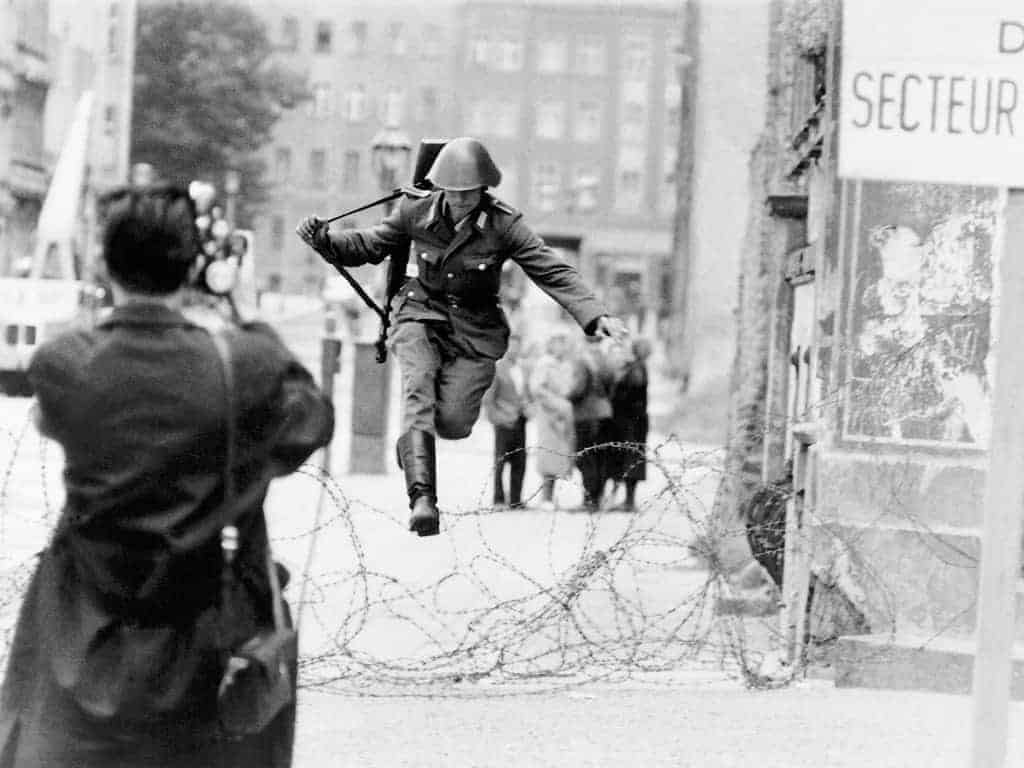
Zersetzung, roughly translated as “decomposition”, was the process by which dissent was dissipated while maintaining the illusion that it existed. The hierarchy within East Germany had realised that their state had become a PR nightmare – in short, the methods of beating up dissidents looked awfully like the previous regime, while being forced to erect a huge wall to stop people leaving in droves never points to a successful country – and that the tactics had to change. Thus a policy of infiltration and sabotage was enacted that caused opposition groups to fall in on themselves rather than having to be crushed by the regime.
Dissidents knew that the Stasi was watching and the Stasi knew that the dissidents knew that they were there, so they fomented distrust and spread misinformation to turn opposition activists against one another and to undermine any nascent trust that they might have built with their comrades. Whereas informants had previously been kept secret, the Stasi were happy to let it been known that they had plenty of snoops on their side and regularly spread rumours that certain people within opposition groups were actually in their employ.
This was one form of societal subversion, of turning people against people, but they would back it up by turning people against themselves. Psychological torture was used to make suspects uncomfortable and stressed, from overt methods such as having them visibly followed or stopped and searched in front of friends and colleagues to miniscule, nagging tactics such as moving objects in the house or resetting alarm clocks and ringing doorbells with nobody there.
The effect was a pervading dread of the Stasi, a mistrust of other individuals and general feeling that the subject themselves was going mad. Eventually, it became futile to resist. Post-Wende reports suggest that 10,000 people were directly subject to the harsh methods of Zersetzung, with some five thousand thought to have been permanently mentally damaged by the tactics used by the Stasi.


