
Stasi post-Wende
How was it possible for such an all-pervasive police force to allow their people to rebel against them, almost overnight. While it might suit a narrative that the people rose up and overthrew the hated secret police, the truth is a little more complicated. The Stasi were the self-appointed “sword and shield of the party”, but they were still subservient to the Socialist Unity Party itself, which was turning an already terrible job of running the country into a catastrophic one. Events outside of the country would also overtake the East German regime.
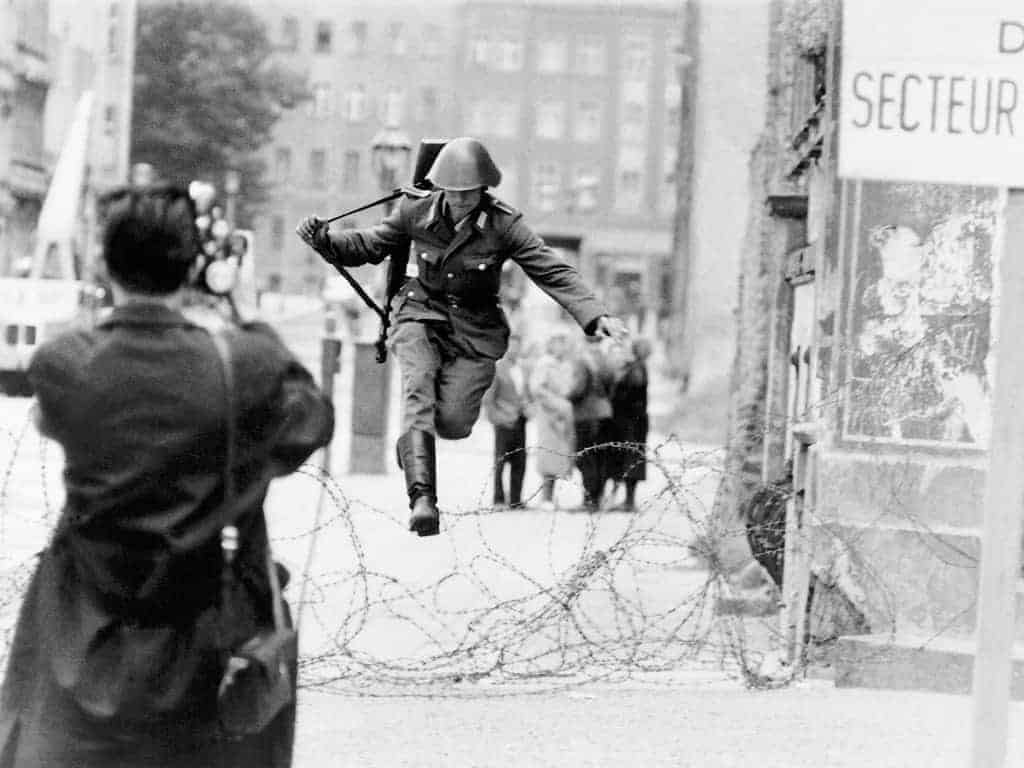
Before the Monday Demonstrations – the prime social movement seen as overthrowing the DDR government – had even began, the Hungarian government had already opened their border with Austria, allowing East Germans to travel through and leave the country. The protests inside the DDR began in September in Leipzig, by October the government had largely resigned and by November, the borders to the West were open. The regime was done and their secret police began to panic. Erich Mielke, head of the Stasi for more than half of its existence and one of the most hated figures in the whole DDR, resigned on November 7. Two days later, the Wall fell.
For the Stasi rank and file, the Wende was met with panic. Operatives tried to burn documents, stuffed shredders full of them and even ripped them apart by hand. They continued apace for over a month before news got out that they were destroying the legacy of decades of snooping. In mid-January, a protest against the Stasi lead to the storming of the the Normannenstraße headquarters, in Berlin’s Lichtenberg district. In among the crowd were many of the IMs, looking to find the evidence of their own involvements and destroy them.
The question of how to deal with the legacy of the Stasi is one that continues to go largely unanswered in the former East. Initially, an agency was set up by the government of the newly united Germany to deal with the millions of documents that the Sword and Shield had kept on its own people. In 1992, the Stasi Records Agency released the documents to the public, allowing people to access their own files and to finally discover the details of their lives that had been deemed threatening to their former state. This was a more controversial decision than might have been expected: when the files were released, it became possible for people to uncover those that they knew who had provided the Stasi with information about them. Marriages and lifelong friendships were destroyed, family members estranged from one another, high-ranking officials in all walks of public life denounced and fired. Stasi members were targeted and ostracized, as they had once targeted and ostracized others.
Many leading Stasi officials were tried and convicted for their crimes while with the Ministry. Erich Mielke, the former head, was sent to prison while Erich Honecker, the long-standing leader of East Germany, was convicted for the human rights abuses that had occurred under his regime, particularly the killings of those attempting to cross the Berlin Wall. The East Berlin headquarters of the Stasi still stands and is now a museum, showing the extent to which a government was willing to go to know everything about its people.


