
3. Origins of the Lebensborn Program
It was an article of faith among Nazis that that the Aryan race was destined to rule the world, but when they took power in the 1930s, German birth rates had been steadily falling for years. On top of that, the number of abortions had been steadily rising, reaching roughly 800,000 per year in the interwar period, due in part to a shortage of marriageable men after the slaughter of WWI.
That posed a serious problem for the Nazis: how could they have a “Master Race” that would rule the world, if falling birth trends indicated that said race was about to get eclipsed? So in 1935, the Lebensborn program was established, commencing as social programs that placed the increase and improvement of the Aryan race at the heart of Nazi policies.
SS head honcho, Heinrich Himmler, placed the program, which aimed to select and adopt racially “qualified” children, under his personal direction. It sought to support “racially, biologically and hereditarily valuable families” with many children, and encourage them to have even more. It also sought to identify and select “racially valuable” fertile women who could be expected to produce racially valuable children, and to care for the children and their mothers.
In its early version, Lebensborn served as a social welfare program for SS wives, running facilities such as maternity homes where they could give birth or get help with family matters. Over time, however, it focused more on unmarried women classified as “racially valuable”, who had been impregnated by a similarly classified “racially valuable” fathers.
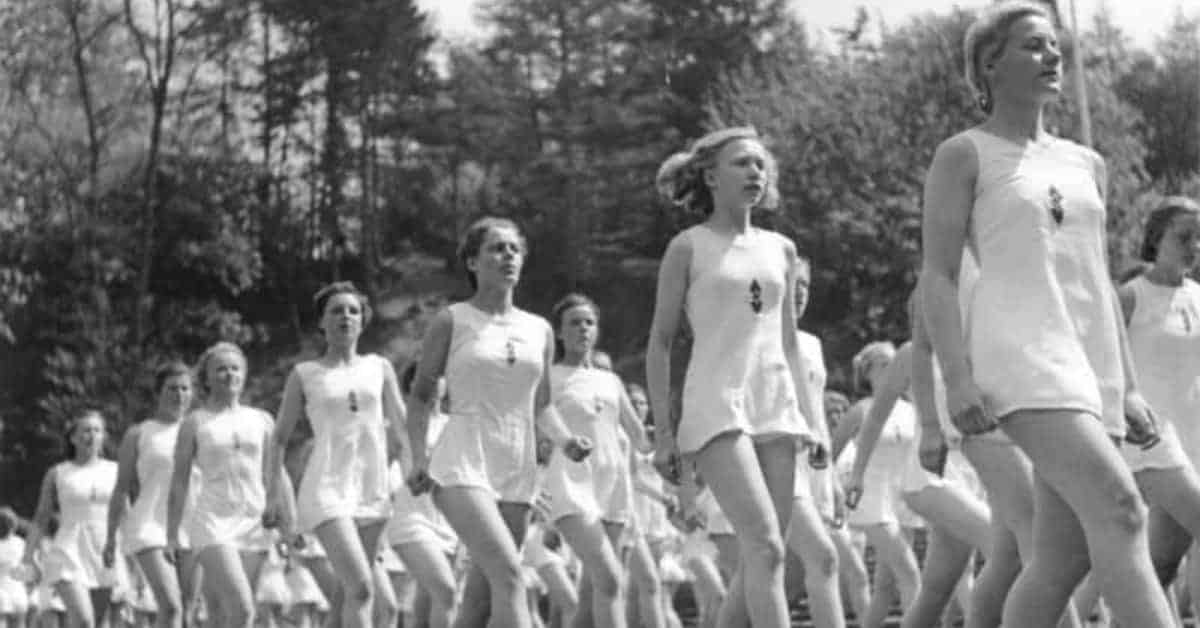
Leaders of the League of German Girls – the female version of the Hitler Youth – were directed to recruit girls of good genetic stock, as potential breeding partners for SS and Nazi officials. After they were recruited, matched with breeding partners, and impregnated, the Lebensborn program helped them during their pregnancy, affording them facilities in which to give birth and receive prenatal and postnatal care.


