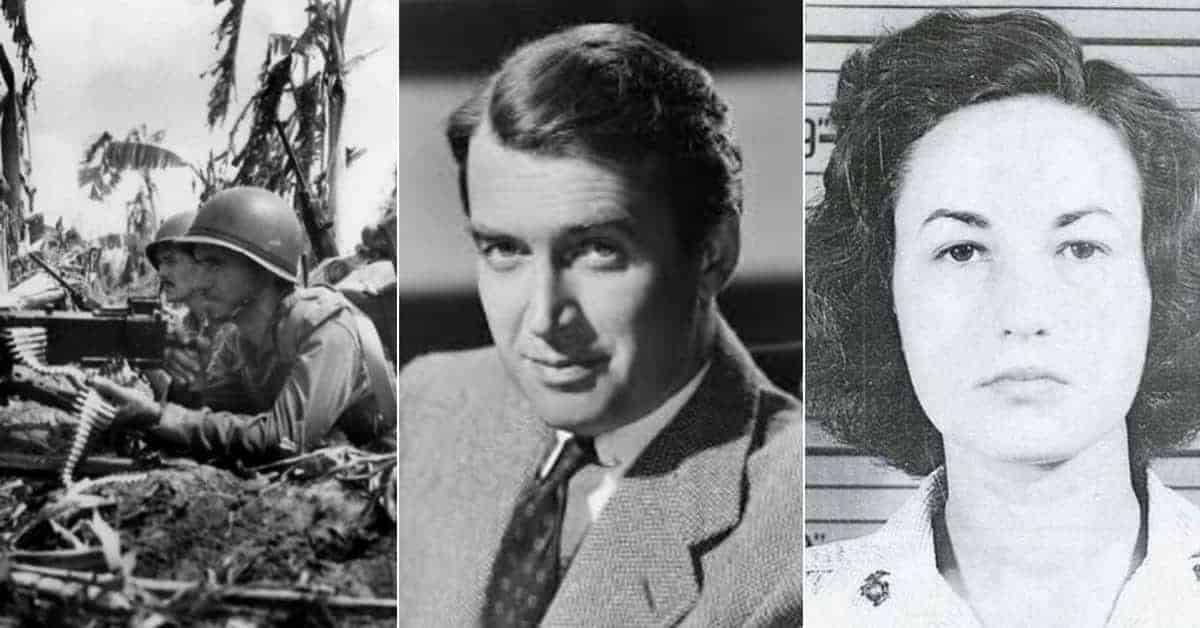

Mel Brooks
Born Melvin James Kaminsky in 1926, the Brooklyn-born funnyman best known for directing side-splitting farcical comedies such as Spaceballs, Blazing Saddles, The Producers, and Robin Hood: Men in Tights, is hardly the kind of person you would expect to have once performed life and death type of dangerous work. Yet, that is precisely what Mel Brooks did in WWII.
Mel Brooks was raised in poverty by a single mother after his father’s untimely death during Brooks’ infancy. Growing up small and sickly in the tougher parts of Brooklyn, Brooks developed a sense of humor and a precocious comedic talent early on, which came in handy to diffuse confrontations and avoid getting picked on and beaten up – most of the time.
He enlisted in the US Army in 1944 at age 17, and scoring high in the Army’s aptitude and IQ testing, was shunted into the Army Specialized Training Program (ASTP) and sent to learn important skills such as engineering, and some of dubious value in 1944, such as horseback riding and fencing. He did not get to complete ASTP because the combat arms complained of its absurdity and that it deprived them of the brightest recruits. The program was terminated, and Brooks was sent to Fort Sill, Oklahoma, where he was trained as an artillery observer.
Sent to Europe in 1944, his first assignment was as a forward artillery observer. He was then assigned to a combat engineer unit, where his tasks included defusing land mines. In addition to clearing landmines – a hairy job made even hairier when he had to do it while exposed to enemy fire – he also fought in the Battle of the Bulge during the winter of 1944-1945.

He observed that “War isn’t hell. War is loud. Much too noisy. All those shells and bombs going off all around you. Never mind death. A man could lose his hearing“. He distilled his wartime experience to its essence when asked what he thought during the war about saving Europe and the world: “You thought about how you were going to stay warm that night. How you were going to get from one hedgerow to another without a German sniper taking you out. You didn’t worry about tomorrow“. Aware of the jarring contrast between his funnyman persona and his serious wartime experience, he once mused to reporters: “I was a combat engineer. Isn’t that ridiculous? The two things I hate most in the world are combat and engineering“.


