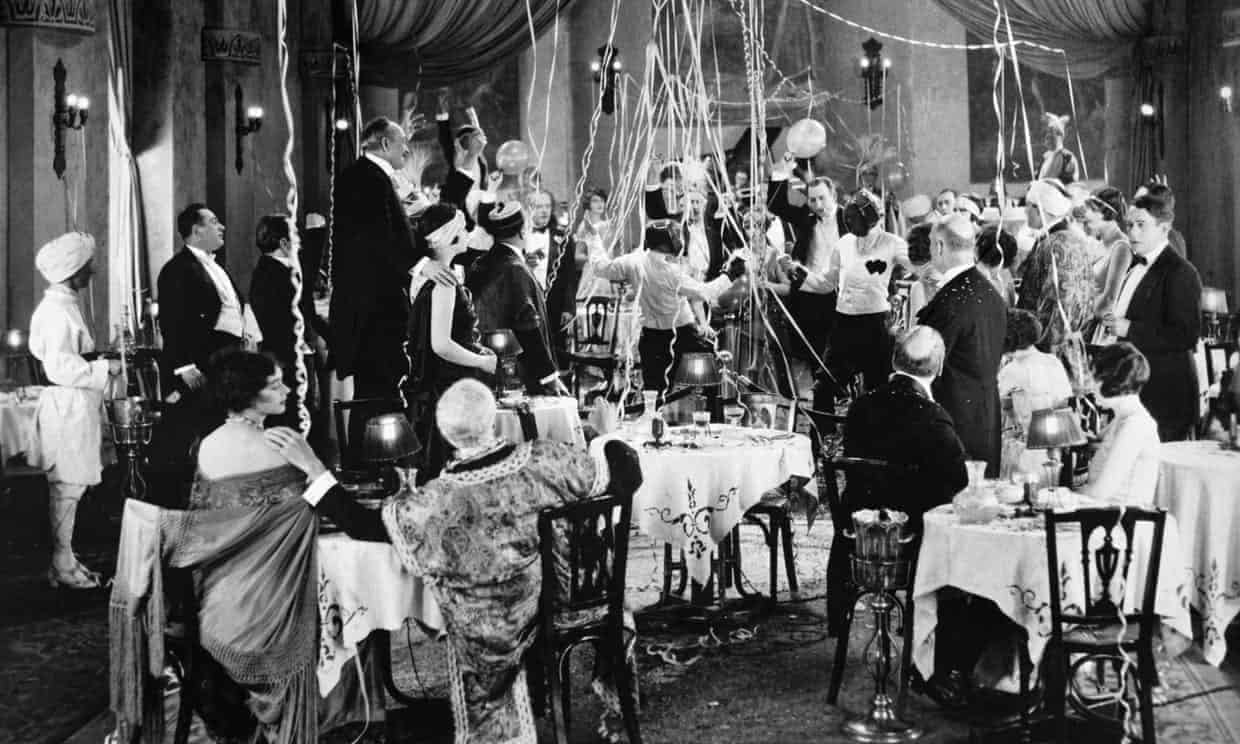
In the 1920s, the literary party was the event of the season, complete with drunkenness, obscene nursery rhymes, and those devastated by the ‘lack of refinement in their idols’. Photograph- Hulton-Deutsch Collection/CORBIS
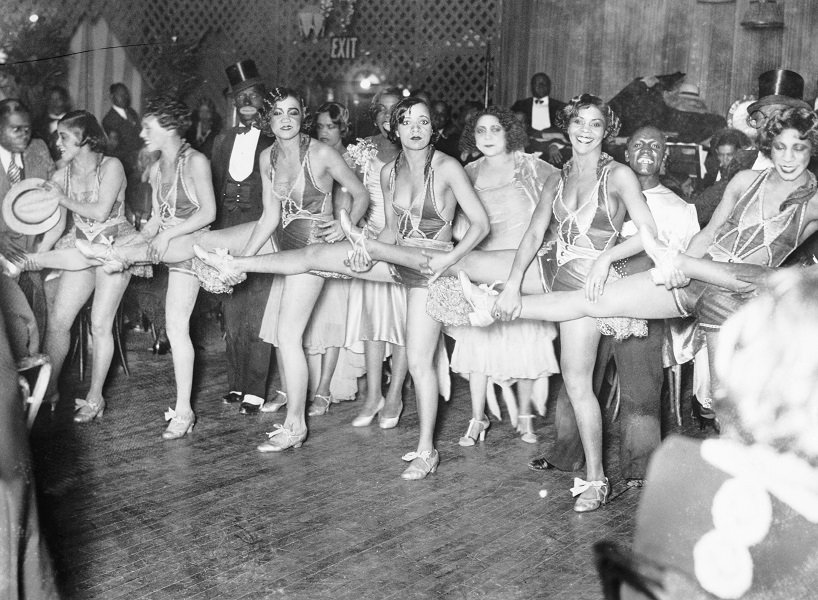
A flapper looks back at the camera before she gets into the waiting car. allthatisinterestingCustoms men examining liquor seized from a rum-runner ship from Havana that docked at a port on the harbor of New York. Getty ImagesLucky Luciano, mobster and crime boss, drinking a glass of wine. Wikimedia CommonsThe first Macy’s Thanksgiving Day Parade, 1924. allthatisinterestingSanta Claus rides a float at the 1925 Macy’s Thanksgiving Day Parade. Getty ImagesThe Dolly sisters were twins who came to epitomize the extravagance of the 1920s – they were paid $1,200 a night to appear at the Moulin Rouge (Credit- James Abbe Archive)Tennis player Suzanne Lenglen won the gold medal in the women’s singles competition at the 1920 Olympics and exemplified the ‘20s sportswoman (Credit- Wikipedia)Contestants in the Bathing Girl Revue. Galveston, Texas, May 14th, 1922. (Joseph M. Maurer: Library of Congress)Venice Bathing Beauty Pageant, 1926. (Miles F. Weaver: Library of Congress)Third International Pageant of Pulchritude and Ninth Annual Bathing Girl Revue (view with arms up). Galveston, Texas, 1928. (Joseph M. Maurer: Library of Congress)F. Scott Fitzgerald and his wife Zelda pose for a portrait in 1921, four years before ‘The Great Gatsby’ was published. Getty ImagesJelly Roll Morton plays piano with his band The Red Hot Peppers, circa 1926. Getty ImagesJosephine Baker performing the Charleston. WikipediaA flapper dancing at an extravagant party. owwmediaNYC speakeasy scene during prohibition. (Getty Images)The bartender at the 21 Club speakeasy in New York. (Margaret Bourke-White: Getty Images)1920s party at Montparnasse café. PinterestFlappers dance while musicians perform during a dance contest in Charleston, South Carolina, 1926. Hulton Archive: Getty ImagesLouise Brooks 1920 | Courtesy of Wikimedia Commons the free media repositoryCarefree, reckless, flappers seemed to enjoy living on the edge, like these atop Chicago’s Sherman Hotel. (George Rinhart: Corbis via Getty Images)Flappers in 1928, drinking at a luncheon. Getty ImagesFlappers in the park. thesocietypagesActors Douglas Fairbanks and Mary Pickford on board the SS Lapland wearing fashions of the early 1920s. WikipediaBride in wedding dress flanked by her bridesmaids, 11 September 1929, Minneapolis, Minnesota. WikipediaGerald and Sara Murphy in costume at Étienne de Beaumont’s Automotive Ball. Yale LibrarySome members of the Bloomsbury set at a quiet tea on the verandah in 1929. Photograph- Dora Carrington:Getty ImagesNightclubs were places of refuge for African-Americans during the Harlem Renaissance. These were the spaces where they could enjoy music and swing dance in a welcoming environment. Bettman ArchiveSmall’s Paradise was one of the most popular jazz clubs of the era. Opened in 1925, the club was owned by an African-American man and welcomed both white and black customers, making it one of the only integrated clubs in Harlem. This club was known for popularizing the now iconic Charleston style of swing dance. Bettman ArchivesThough you may not know the name of dancer Shorty George Snowden, you’ve likely heard of his most famous creation- The Lindy Hop, the most well-known form of swing dancing. Swing dancers at a club in Mississippi, 1939. Wikimedia CommonsAnother popular spot was the Savoy Ballroom, where young men, decked out in the era’s popular zoot suite, gathered to listen to jazz. The Savoy was also a well known for hosting some of Harlem’s most talented Lindy Hoppers. Like Small’s Paradise, the Savoy Ballroom allowed entry to all patrons, regardless of race or background. Writer Barbara Englebrecht called the Savoy the “soul of the neighborhood.”Bettman ArchiveCouples jitterbug at the Savoy Ballroom. Bettman ArchiveThough Harlem jazz hot spot The Cotton Club only admitted white patrons, its stage regularly featured the best African-American jazz musicians and singers of the time. The club showcased orchestras led by greats like Cab Calloway and Duke Ellington. In light of this double standard, the poet Langston Hughes criticized The Cotton Club’s racist policies, calling it “a Jim Crow club for gangsters and monied whites.” In 1935, the club closed after race riots broke out in Harlem, briefly moving to midtown, then closing for good in 1940. Cab Calloway in 1947.Wikimedia CommonsAn originator of big-band jazz, Duke Ellington was the bandleader at the Cotton Club. Originally from Washington D.C., Ellington moved to New York as jazz became the dominant form of music during the Harlem Renaissance. His engagements at the Cotton Club landed the band a weekly radio program that spread the jazz craze throughout the country. Duke Ellington at the Hurricane Ballroom. Wikimedia Commons