Back to the front page
Middle Ages

Distinctive Facts About The Mighty Ottoman Empire

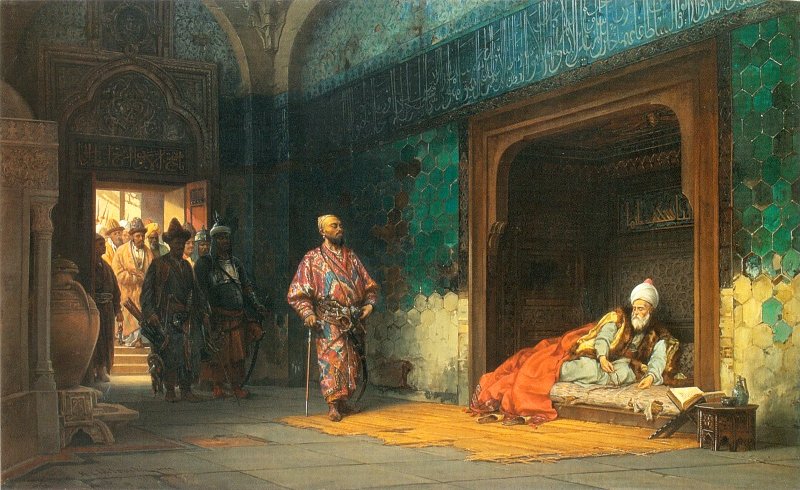
Battle of Ankara - Timurid Empire
Tamerlane gloating over the captured Bayezid I. Wikimedia

32. The Turks Transition From Nomadic to Settled Life

The Seljuk Empire at its greatest extent in 1092. Wikimedia

The Seljuk Turks differed from most nomadic conquerors throughout history, such as the Huns, Avars, and Mongols, whose states proved short-lived and ephemeral. Instead, the Seljuks pulled off the rare feat of managing a successful transition from a nomadic lifestyle to a sedentary one. They went from shepherds and Steppe warriors to urban dwellers, taking up new occupations such as farmers, administrators, merchants, manufacturers, and artisans. They built roads, mosques, schools, hospitals, and caravansaries.

Emulating the Persians and Arabs who wielded power before them, the Seljuk Turks came to appreciate and encourage scholarship, such as the literature, arts, philosophy, and the sciences. By the time their state went into decline and collapsed, the Seljuk Turks had established a foundation of a Turkic culture and identity, which other Turks – chiefly the Ottoman Turks – would build upon to create even greater states.

Written by

A lifelong history buff, I developed a particular passion for WW2 history as a child, when I spent hours listening to my grandfather, enraptured, as he recounted his wartime experiences in the British East African Campaign and with the British 8th Army in North Africa.

I graduated with a history BA from George Mason University, then went on to get a JD from the University of Virginia School of Law. After lawyering for a decade, I moved to sunny Rio de Janeiro and a less demanding career, opening a tourism agency in Copacabana.

A big chunk of my free time is spent blogging (you can follow me on Quora https://www.quora.com/profile/Khalid-Elhassan ) or freelance writing, mostly about my favorite subject, history.

Keep reading

Advertisement