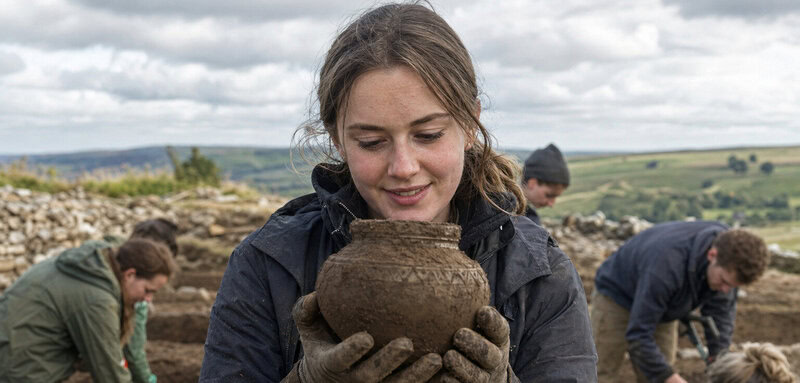
Somewhere beneath the green Northumberland hills, history had been waiting — patient, undisturbed, and apparently indifferent to the experience level of whoever finally came looking. What a group of archaeology students on their first excavation pulled from the earth at Redesdale rewrote expectations for what a beginner’s trowel is capable of finding.
Yara Souza’s Gold Find 90 Minutes Into Her First Dig
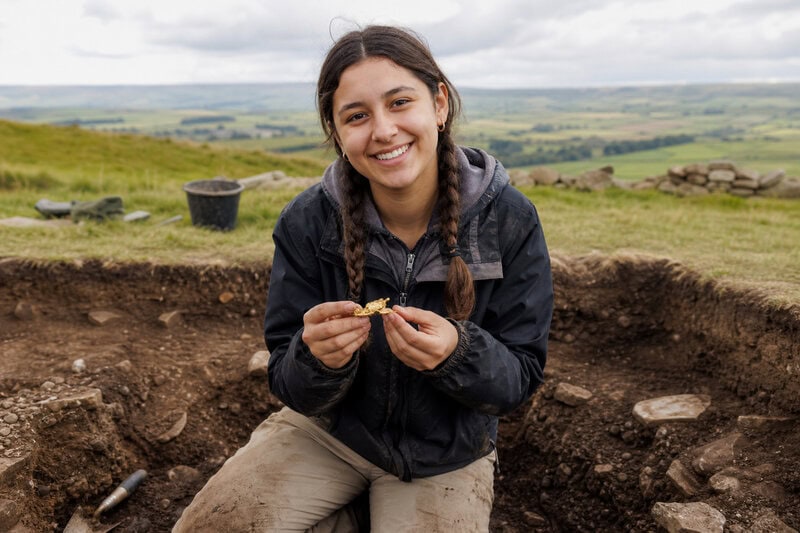
Ninety minutes. That was all the time it took for 20-year-old Yara Souza, a student from Orlando, Florida, to go from first-time excavator to the holder of something extraordinary. Crouching over a trench in Redesdale, Northumberland — a continent away from home — she felt her trowel connect with a gold artifact later dated to roughly the 9th century, placing it some 1,100 years in the past. For most archaeology students, the first dig yields pottery sherds and the slow satisfaction of learning technique. Souza got history in her hands before the morning was out.
Those overseeing the excavation were unambiguous: the piece was described as “rare” by dig specialists — the kind of designation that signals a find well outside the ordinary register, not just for a student, but for any archaeologist at any stage of a career. That a first-timer made it in her opening session is the detail that stopped people cold.
The Redesdale Hoard: Roman Treasures Unearthed by First-Year Students
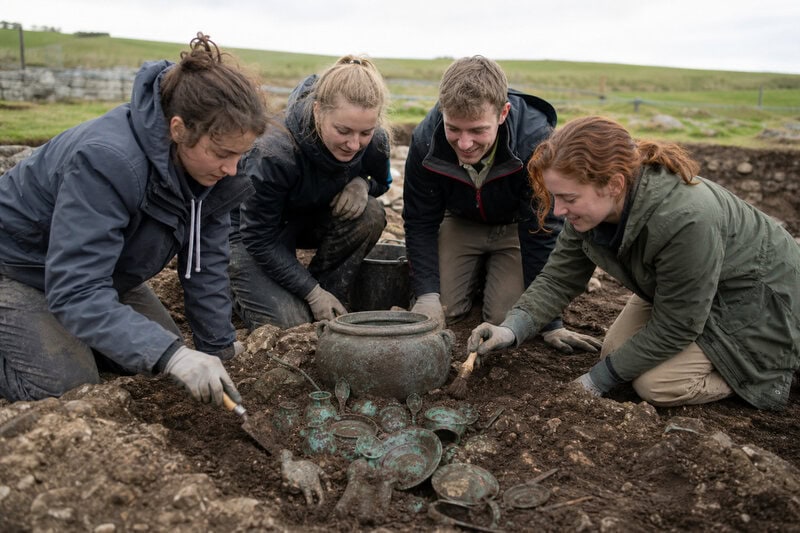
Souza’s gold was not the only shock the ground had stored. A group of first-year archaeology students — all on their very first excavation — collectively unearthed a hoard of Roman treasures at the same Redesdale site, objects that had lain undisturbed for roughly two millennia before a beginner’s trowel broke the silence. The haul included gold jewelry, inscriptions, and a finely carved gemstone — a multi-object assemblage that researchers described as stunning in both quantity and quality.
As field school discoveries go, this one landed at the far end of the spectrum. The Redesdale site, previously unheralded compared to the famous Roman wall-corridor locations nearby, delivered results that placed it firmly on the map for Roman-era archaeology in northern England — thanks entirely to students who had never before put a trowel in the ground.
The Finely Carved Gemstone That Stopped Researchers Cold
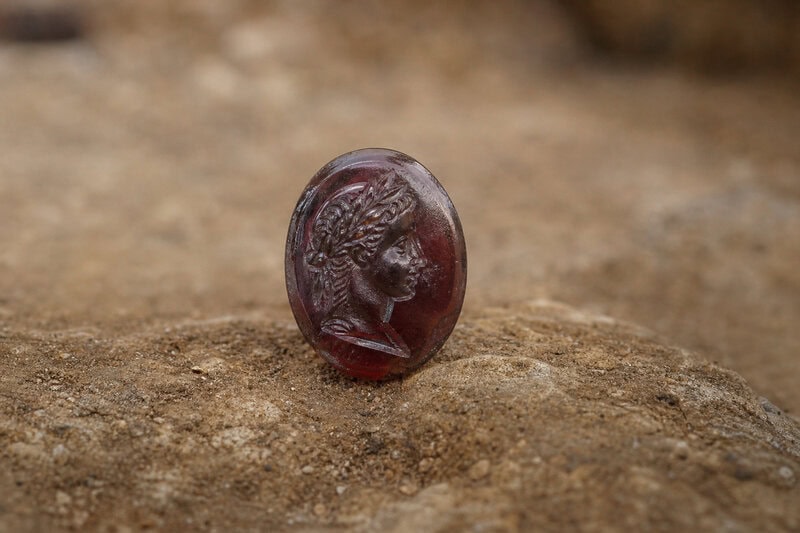
Among the objects recovered at Redesdale, the finely carved gemstone commanded immediate attention. In the Roman world, intaglio-style carved gems were luxury items — small, dense with meaning, typically worn as signet rings by people of rank and wealth. Finding one intact at a student dig, rather than as a shattered fragment in a disturbed layer, compounded the surprise already building among the supervising researchers.
Its presence alongside gold jewelry and inscriptions shifted the interpretation of what the site represented. This was not scattered debris or accidental loss — the assemblage suggested something deliberately deposited, or the concentrated belongings of someone of considerable status. That a first-excavation trench exposed it made the discovery no less scientifically significant.
Gold Jewelry Among the Roman Finds at Redesdale
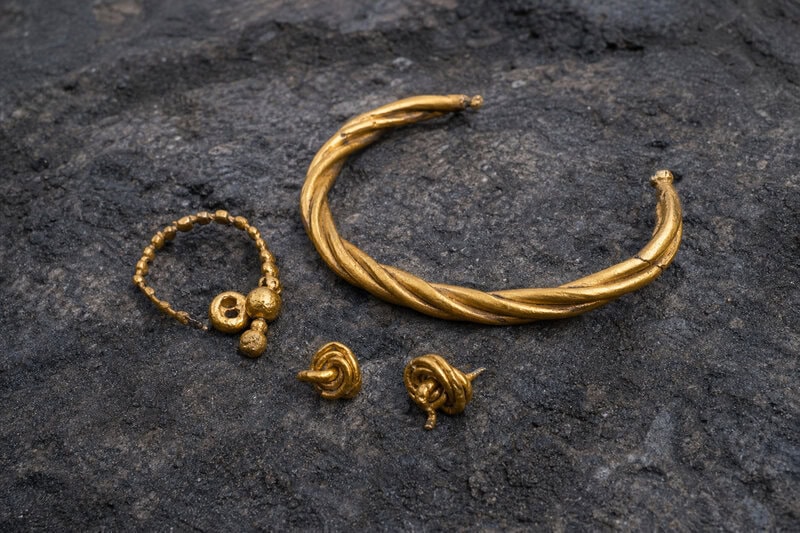
Roman gold jewelry turns up rarely in Britain outside of formally catalogued hoards and major institutional excavations. Its appearance in a first-trench context at a beginner field school amplified the astonishment researchers were already feeling, adding literal and historical weight to a dig that was already producing far more than anyone had projected from a learning exercise designed primarily to teach technique.
Taken alongside the gemstone and the inscriptions, the gold jewelry helped paint a picture of Roman-era life in Northumberland that went well beyond the military frontier image most people associate with Hadrian’s Wall country. Whoever owned these objects was not a soldier counting days on the wall — they were someone who carried wealth and status into this corner of the empire, and left it behind.
Redesdale, Northumberland: The Unlikely Stage for a Landmark Field School
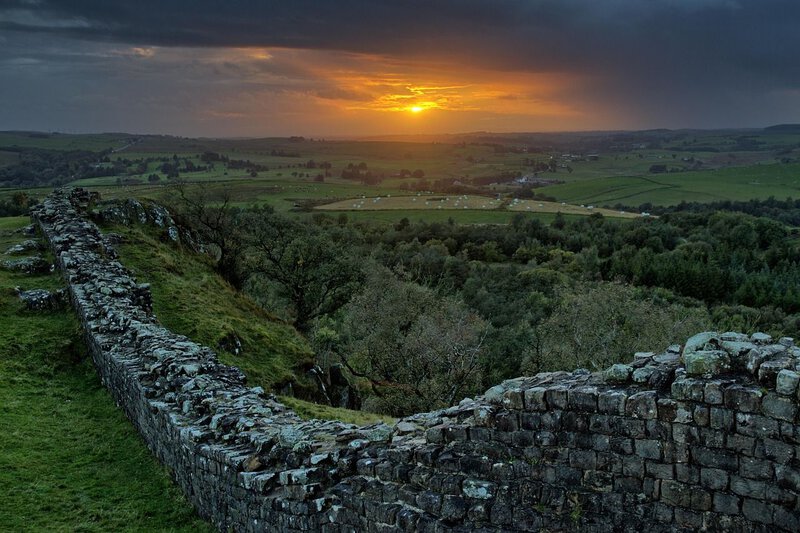
Redesdale occupies a stretch of Northumberland lying north and west of Hadrian’s Wall, a valley that formed part of Rome’s contested frontier zone during the 1st through 4th centuries AD. Compared to the wall corridor itself — with its centuries of excavation, visitor centres, and UNESCO listing — Redesdale has lived in relative archaeological obscurity. That obscurity may be precisely why the richness of this site caught researchers off guard; it was not a location primed by prior high-profile digs or the expectations that come with them.
For the students who worked it, Redesdale delivered an early and indelible lesson: significant Roman-era material culture does not confine itself to famous addresses. It waits, patient and invisible, beneath ground that looks entirely ordinary until someone decides to dig.
Inscriptions Found Alongside the Jewelry and Gemstone

The recovery of inscriptions at Redesdale added a dimension that objects alone cannot provide. Written or engraved text from the Roman period can carry names, dedications, or official markings — the kind of evidence that allows historians to move from “something valuable was here” to “someone specific was here.” That granularity of connection across two thousand years is what makes inscriptions among the most coveted finds in Roman archaeology.
That they were recovered undamaged at a student dig is itself notable. Inscriptions require careful, controlled excavation technique — the sort of precision that field schools teach specifically because beginners tend toward enthusiasm over patience. The fact that the Redesdale students recovered them intact is a quiet testament to the quality of supervision and the seriousness with which the first-timers approached their debut trench. Together with the jewelry and gemstone, the inscriptions turned a single season into a multi-strand historical puzzle that researchers will work through long after the trowels were cleaned and packed away.
The 9th-Century Date of Yara Souza’s Artifact — A Find From Two Different Worlds
A detail worth pausing on: while the broader Redesdale hoard is associated with Roman material, Souza’s specific gold artifact dates to approximately the 9th century — the early medieval period, centuries after Rome had withdrawn from Britain. That chronological gap is not a footnote. A 9th-century gold object in Northumberland places the find squarely in the era of Viking incursions, competing Anglo-Saxon kingdoms, and the turbulent centuries that would eventually forge medieval England. The same landscape that witnessed Roman frontier life was still producing objects of value and meaning hundreds of years later.
The rarity designation applied to Souza’s piece suggests it may illuminate a period — post-Roman, pre-Norman Northumbria — for which high-quality material evidence is comparatively scarce. First-excavation finds rarely carry that kind of historiographical weight. This one does.
Researcher Reactions: Surprise at Both Quantity and Quality
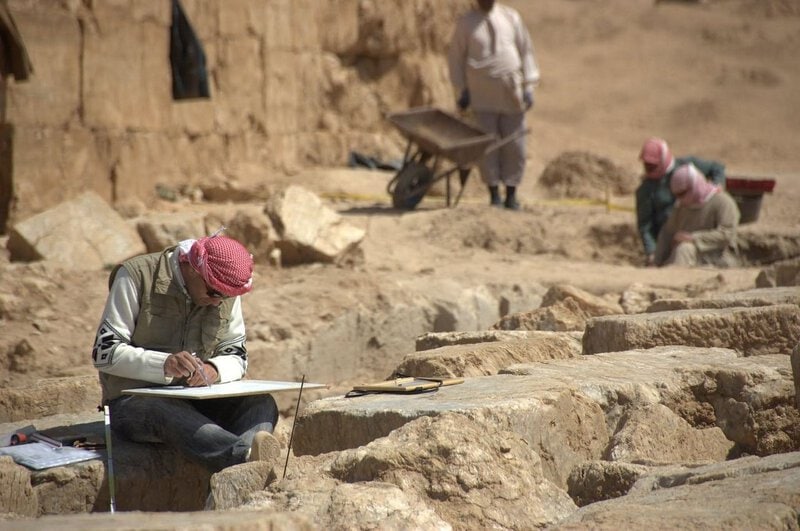
The professionals overseeing the Redesdale field school did not attempt to manage their reaction into something measured and institutional — they were candid that both the quantity and quality of what the students found exceeded expectations. That admission carries its own significance. These were experienced archaeologists, people trained to read soil and context, who nonetheless misjudged what the ground held.
Field schools are designed as learning environments, not discovery engines — structured to give students controlled exposure to real excavation while producing modest, manageable finds that illustrate technique. The Redesdale dig delivered results that would have been remarkable at any level of professional excavation. The supervisors’ candid surprise also validates a persistent truth in field archaeology: the soil does not sort finds by the experience of the person holding the trowel.
What It Means to Be a First-Year Student on a First Excavation

For archaeology students, the first field school is typically the moment classroom theory meets actual earth — stratigraphy, context recording, and artifact handling suddenly happening in three dimensions rather than on a printed page. Most first excavations yield the modest, instructive finds that field schools are built around: pottery sherds, roof tile fragments, the small debris of ancient daily life. The learning is real, but the drama is usually modest.
The students at Redesdale arrived with textbook knowledge and left with one of the more talked-about beginner archaeological discoveries in recent UK field archaeology. Their experience is a vivid argument for why the field school remains a cornerstone of archaeological education — and why students who show up for a first excavation should never assume the ground has nothing spectacular to offer. No lecture hall lesson replicates the weight of a 1,100-year-old gold artifact in a twenty-year-old’s palm, ninety minutes into the first dig of a lifetime.
From Yara Souza’s debut morning in Northumberland to the broader Roman hoard her fellow students uncovered around her, Redesdale stands as a reminder that the most consequential archaeological finds don’t wait for seasoned hands — they wait for whoever finally decides to look.