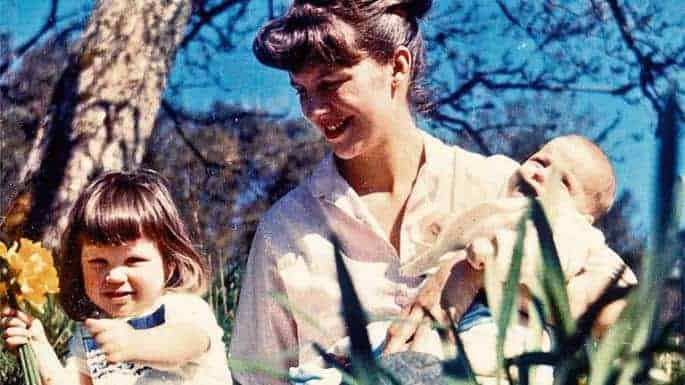
4. Plath’s resting place in northern England was chosen by Ted Hughes and is a place of remembrance and of protest

Though they were separated, Plath and Hughes never officially divorced. This meant that Hughes could decide where the American would be laid to rest. He decided to have her buried in the graveyard of St Thomas the Apostle, a church in the hilltop village of Heptonstall, in the county of Yorkshire. What’s more, he had the stone inscribed ‘Sylvia Plath Hughes’ and he chose the line of poetry to go under the name. Since the 1960s, the grave has been a pilgrimage site for literary fans and feminists. On more than one occasion, her husband’s name has been defaced or removed.


