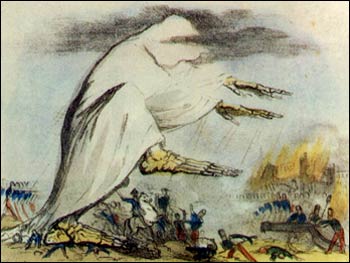
2. Dominating medical understandings for more than two thousand years, humorism dictated four primary bodily fluids had to be kept in perfect balance to ensure perfect health

Believed to have originated from either Ancient Egypt or Mesopotamia, humorism was a system of medicine adapted by Hippocrates more than two thousand years ago. Denoting the existence of four vital bodily fluids – blood, bile, phlegm, and black bile – Hippocrates posited an extreme excess or deficiency of any of these humors was the root cause of illness. Arguing “these are the things that make up its constitution and causes its pains and health…health is primarily that state in which these constituent substances are in the correct proportion to each other”. Accepted by his successors, Hippocrates’ theory oriented the entire practice of medicine towards the appropriate balancing of these presumed bodily fluids.
Resulting in the mass application of unscientific, and even harmful, medical practices, bloodletting, emetics, and purging became chief components of treatment in order to rectify an imbalance. Remaining the dominant medical conception for physicians throughout the Western and Islamic world, it was not until 1543 that Andreas Vesalius sought to challenge humoral theory. Nevertheless, continued belief in humorism dominated medicine until the advent of cellular theory and microbiology during the 18th and 19th centuries, diminishing into obscurity where today the practice is viewed as pseudo-scientific and dangerously nonsensical.


