
3. Coffins Were Once Reused to Save Wood
By the second half of the eighteenth century, the Industrial Revolution was leading to a population increase all throughout the Western world. With greater populations come higher demands on natural resources, and one resource that was stressed particularly bad was that of wood, particularly in Austria. The Holy Roman emperor (who was neither holy, nor Roman, nor an emperor), Joseph II and his wife, Maria Therese, promoted measures that they believed would reduce the use of wood. One was an efficiency stove, which used less wood than traditional ones. Another was that they imposed strict laws on cutting down trees in rural areas.
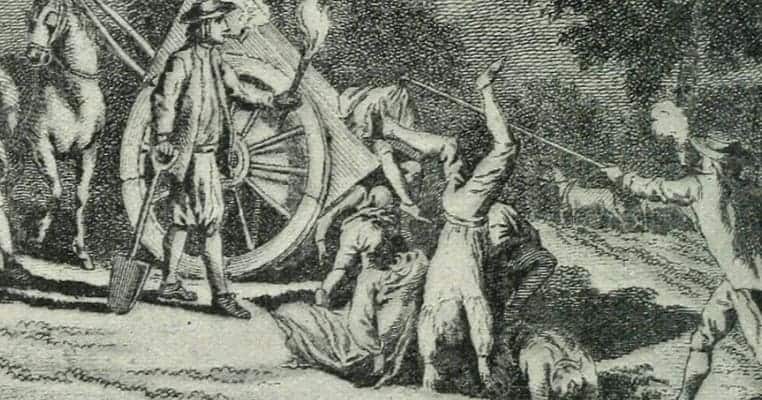
Probably the most bizarre idea that the royal couple came up with was, in 1784, that of reusable caskets. They were designed so that, at the end of the funeral and burial ceremony, the pallbearers or another officiant could flip a switch to open up the bottom. The body would fall out into the grave. The casket could then be reused for the next corpse. The trend lasted for only about six months until a public outcry led to the practice being stopped. The emperor would have to come up with less macabre ways of saving wood.


