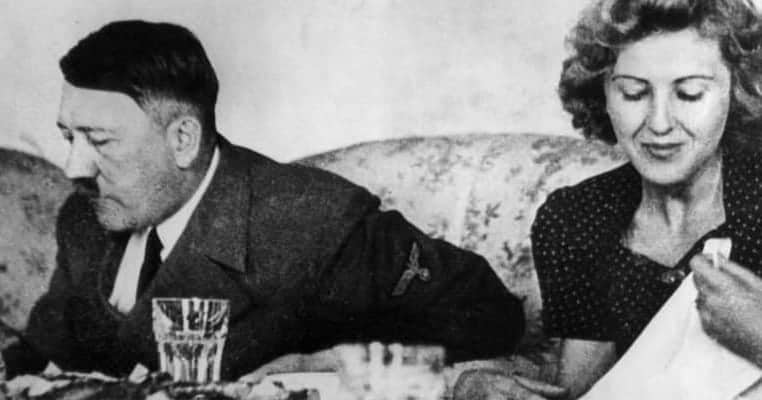
3. Not everyone tried to escape – some preferred to take their chances below ground than run the risk of facing the Red Army on the street of Berlin
It wasn’t just the secretaries and typists who were allowed to leave the Bunker. One of Hitler’s final orders had been to give permission for German soldiers to try and break out of Berlin, on the proviso, of course, that they carry on fighting. Under Wilhelm Mohnke, the remaining troops were divided into ten groups, each escaping on a different day. Gunther Schwagermann, adjutant to Josef Goebbels, was one of those who made it out only to be captured by advancing American troops. Martin Bormann also got out but was killed by Soviet soldiers a few streets away.
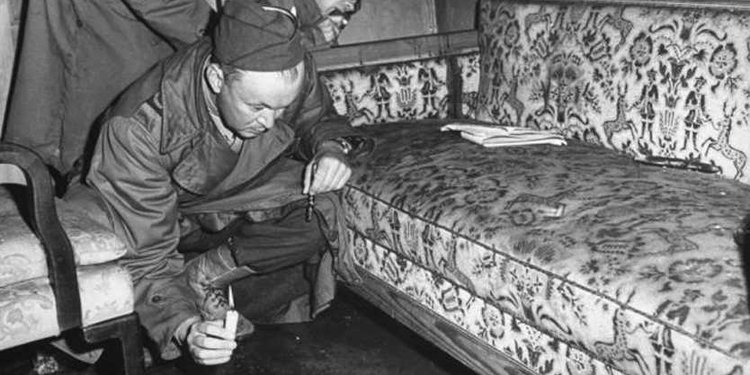
The idea that Hitler somehow also managed to escape not only the Bunker but also war-torn Germany, right under the noses of the Soviet soldiers, emerged soon after the end of the war. After all, several high-ranking Nazis did make it out of Germany after 1945. However, the accounts of witnesses, most notably of those people who were in there with him at the very end, plus the fact that dental remains found on a corpse half-buried at the entrance to the Bunker matched Hitler’s own dental records, suggests it’s almost certain the dictator never made it out alive.


