
Ironically, Chin Shi Huang’s Quest for Immortality Ended Up Killing Him
In one of history’s more karmic plot twists, with a full measure of poetic justice, Chin Shi Huang Di’s manic quest for immortality backfired, big time. It was not only that all his efforts to find a Life Elixir failed, as they were bound to do. It was that those insane attempts at living forever did the opposite, and actually ended up shortening the life of China’s First Emperor.
Chin Shi Huang had solicited the advice and assistance of numerous philosophers, alchemists, opportunists, sketchy characters, and outright charlatans. One of those charlatans gave the emperor mercury pills, which he claimed were a life-prolonging intermediate step in his research for immortality drugs. Using them every day should tidy Chin Shi Huang over until the Life Elixir was ready.
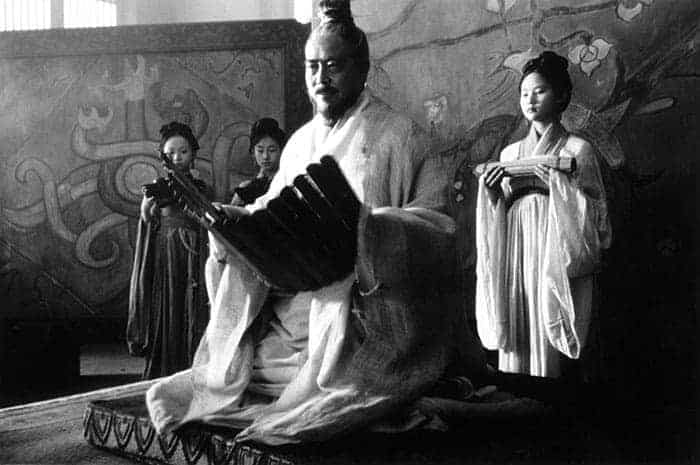
Swallowing mercury every day, the emperor gradually poisoned himself, and gradually grew insane. He turned into a recluse who concealed himself, Howard Hughes style, from all but his closest courtiers, and spent much of his time listening to songs about “Pure Beings”. Many of his crazier decisions, such as ordering the burial of scholars alive, the book burning, and the banishment of his son and heir, were probably caused by the mercury pills.
Rather than prolong his life, Chin Shi Huang ended up giving himself a nasty dose of mercury poisoning, which drove him insane as a preliminary, en route to finishing him off at the relatively young age of 49. It happened during one of his tours of the provinces, when he dropped dead inside his spacious imperial carriage – a miniature house on wheels – on September 10th, 210 BC.
The emperor’s corpse was discovered by his chief bodyguard, and that worthy immediately informed the emperor’s most trusted adviser, Li Ssu. The duo decided to sit on the information until they returned to the capital. So they put on a show, sending in food and documents to the carriage and its ripening corpse, whose stench they concealed by placing wagons of rotting fish nearby. Then, with the emperor’s second son, they forged an imperial signature on a document ordering the first son and legal heir – who did not get along with Li Ssu – to commit suicide.
It was only two months later, after the heir had complied and killed himself, and the imperial entourage was safely back in the capital, that the conspirators decided it was safe enough to announce the emperor’s demise. The second son who had conspired to remove the crown prince and official heir from the way was crowned as China’s second emperor, Chin Ershi Huangdi.


