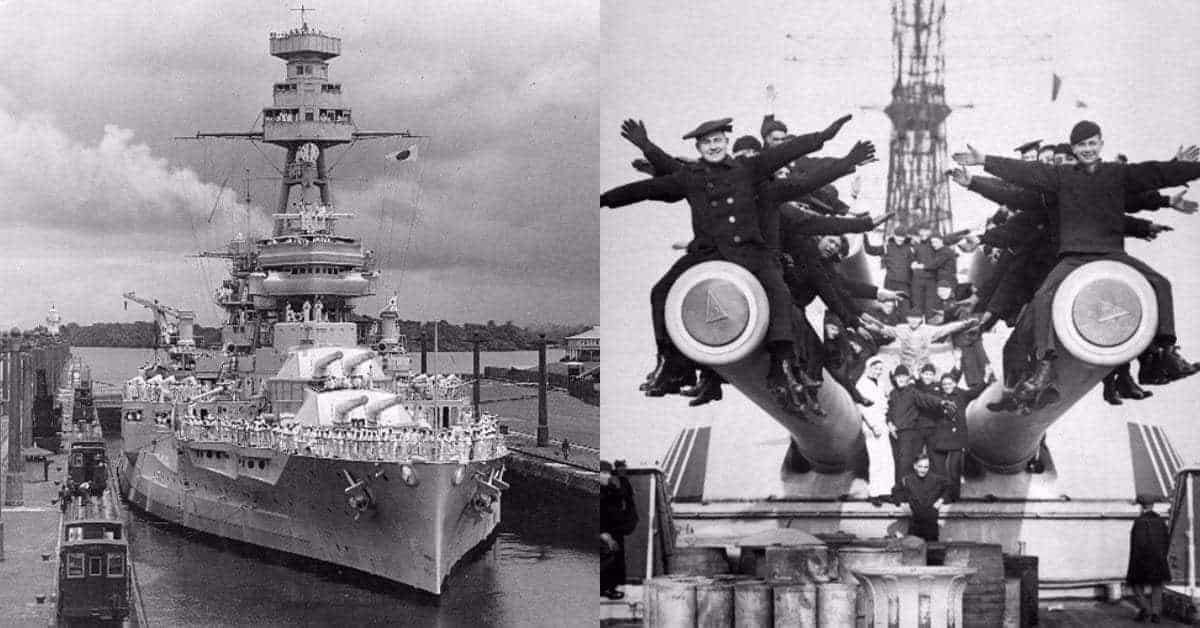

Battle Stations!
With the advent of combat aviation during the First World War, the various nations of the world saw a pressing and obvious need to counter the emerging threat of enemy aircraft. Although rudimentary compared to modern jets and strike fighters, WWI-era airships and airplanes gathered crucial intelligence and attacked targets on the land and sea with relative impunity. Some of the earliest methods employed to counter these aerial threats simply involved turning existing ground weapons towards the sky. Attempting to shoot down a biplane with a bolt-action rifle was crude at best, however, which led to the development of specialized weapons systems.
Beginning in the early twentieth-century, weapon designers and military officials started developing and testing a variety of antiaircraft (AA) systems. Some of the more popular anti-airship and AA guns of the period were the brainchildren of veteran companies, like Krupp and Vickers. Experimentation with calibers, fuses, and various types of ammunition led to the development of flak guns, cannons, and dedicated AA machine guns.
By 1915, approximately a dozen countries employed AA weaponry, with most of these platforms appearing on war-torn battlefields across the Western Front. Naval officials also recognized the threat of enemy aircraft at sea and began employing AA weapons aboard ships during the same period.
In 1916, the USS Texas was the first American warship outfitted with antiaircraft weapons, consisting of two 3-inch .50 caliber low-angle guns. Capable of delivering 76 mm shells, at a sustained rate of 15-20 rounds per minute, the 3″/50 caliber guns could reach targets at elevations up to 30,000 feet. The 3″/50 caliber AA gun made its land-based debut in 1890, underwent numerous design changes, and remained in lengthy service with the United States Navy until the closing shots of First Gulf War. The Texas’s AA battery grew significantly over the years, with the addition of six 3″/50 caliber guns, ten quad-mount 1.6″ Bofors, and forty-four 20 mm Oerlikon cannons.


