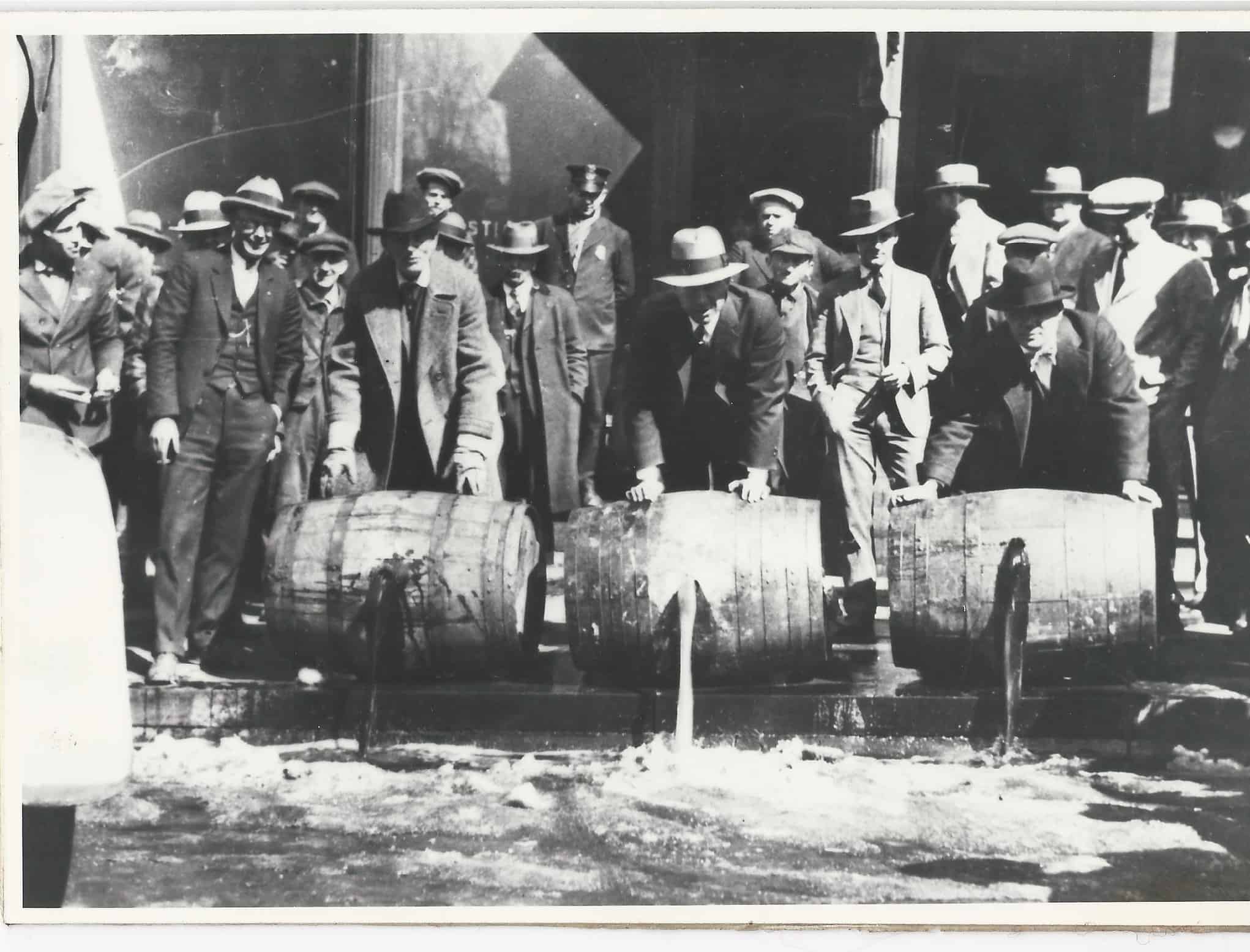
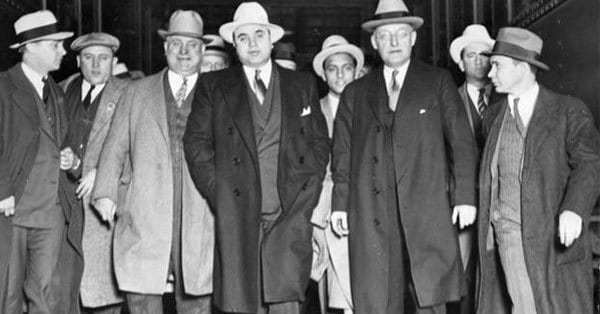
FBI agent examining fingerprints. Getty ImagesWashington, D.C., 1925. Justice Department, Natl. Bureau of Identification. Filing fingerprints at the forerunner of todays FBI. PinterestWomen working on print matching ca. 1940. PinterestSince 1924, the FBI has been the single U.S. repository for fingerprints. 1944 in picture Pinterest. Overall view of large file room at FBI headquarters. Getty ImagesThe FBI Fingerprint Factory grew so large during the war that it rapidly outgrew its office space. In 1924 it had employed just 25 workers and had about 800,000 print cards. By 1943, 21,000 employees dealt with 70 million cards. PinterestFBI Director J. Edgar Hoover is fingerprinted by journalist and author Courtney Ryley Cooper in this FBI publicity photograph circa 1936. PinterestFBI Director J. Edgar Hoover stands behind President Franklin Delano Roosevelt and watches him sign a bill to enforce the fight against crime. Getty ImagesCourtesy of the John M. Longyear Research Library-FBI raiding wine barrels during Prohibition. Great Lakes RadioProhibition agents with a 2000-gallon illicit still, seized near Waldorf, Maryland, circa 1925. Getty ImagesFederal agents often resorted emptying barrels of beer in the gutter during the 1920s. Daily MailWithout informing the public, Without informing the public, the FBI poisoned liquor with methane, formaldehyde, ammonia, arsenic, propene (which destroys intestines, kidneys, and liver if consumed), acetone (paint thinner) and kerosene during Prohibition (1920-1933) for the purpose of “dissuading” people from using alcohol when they realized prohibition was unenforceable. PinterestAl Capone in 1930. WikipediaAl Capone and his gang. Pinterest