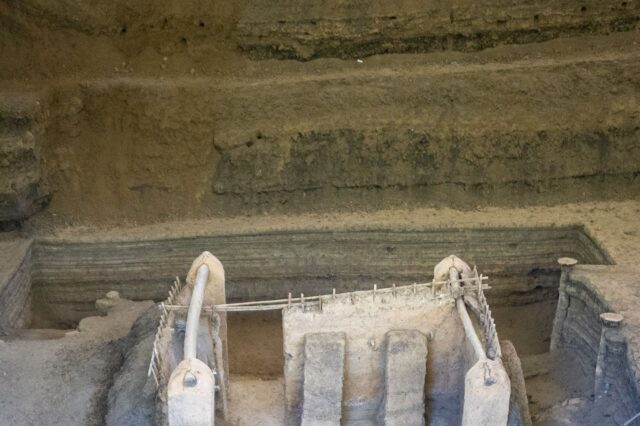
Picture a frozen Siberian hillside, nearly three millennia ago: a body is lowered into the earth alongside a horse, surrounded by offerings, and somewhere in the ceremony, cannabis smoke curls into the cold air. What archaeologists have now pieced together from seeds and strands of preserved hair is a story that pushes the documented history of psychoactive drug use further back than ever before — to a burial in the early Iron Age, 2,800 years ago.
A Burial Ceremony in Siberia, Circa 800 BCE
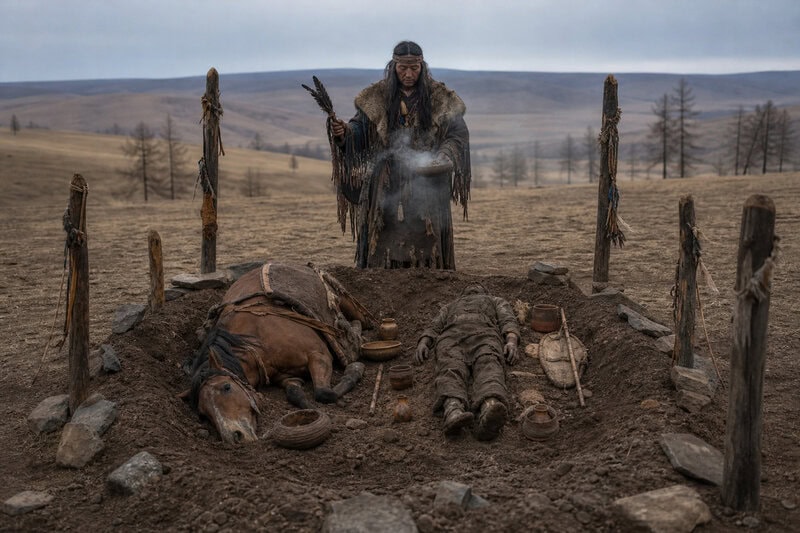
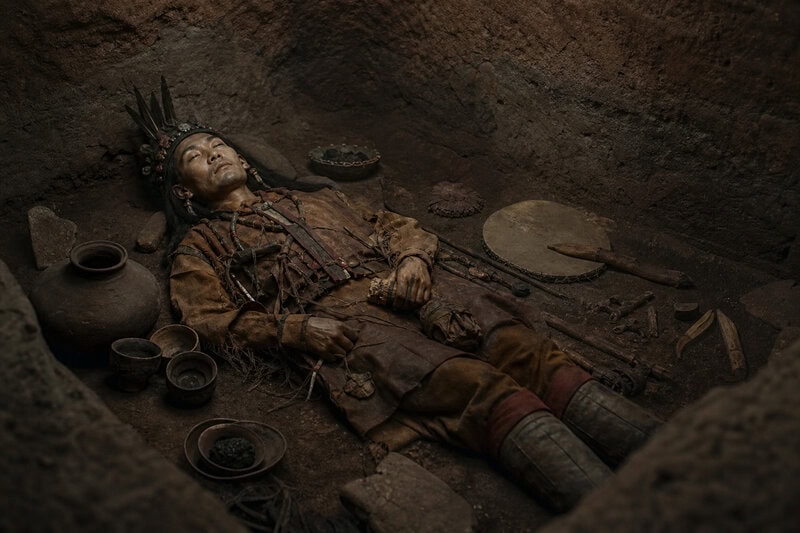
Nearly 3,000 years ago, somewhere in the vast Siberian landscape, a grave was prepared for the dead — and cannabis was woven into the ritual. The tomb held both human and horse remains, a pairing that was far from accidental: steppe cultures of this era consistently linked horses to otherworldly journeys, treating them as vessels for the soul’s passage between worlds.
Whoever was laid to rest here was not simply buried and forgotten. They were sent off with ceremony, with smoke, and with unmistakable intention — a farewell that speaks across millennia to the seriousness with which these people regarded the boundary between the living and the dead.
The Role of the Shaman in Iron Age Siberian Culture
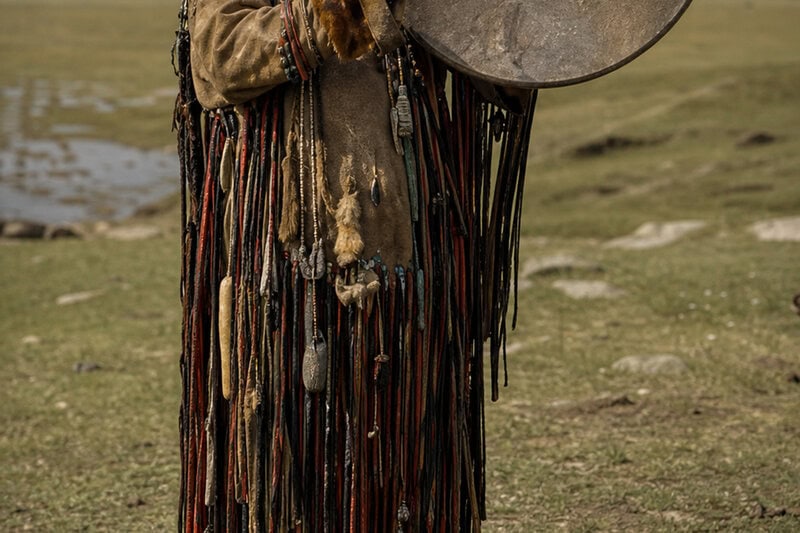
In the steppe cultures of ancient Siberia, the shaman occupied a singular and indispensable role: intermediary between the living and the spirit world, capable of crossing that threshold through deliberately induced altered states. This was not mysticism as metaphor — it was understood as a practical, necessary function, and the tools of the trade were often botanical.
Psychoactive plants allowed the shaman to enter trance states, communicate with ancestors or spirits, and return with guidance for the community. The ritual context of this particular tomb — the burial goods, the animal sacrifice, and now the chemical evidence of cannabis — fits within what archaeologists have long understood about Siberian shamanic practice, giving abstract theory a sudden, startling concreteness.
What the Tomb Actually Contained: Seeds, Hair, and Hard Evidence

When excavators worked through the tomb’s contents, they recovered cannabis seeds — a physical marker of the plant’s deliberate presence at the burial. Seeds do not wander into ceremonial graves by chance; their placement signals purpose. But seeds alone can only prove that cannabis was there, not that it was consumed.
The second piece of evidence closed that gap. Preserved human hair was collected from the remains and subjected to chemical analysis, because hair retains traces of substances a person consumed or inhaled in the weeks before death. Together, the seeds and the hair chemistry form a compelling two-part case: the plant was present in the tomb, and it was present inside the person buried there.
Why Hair Analysis Is Critical Evidence for Ancient Drug Use
Bone can tell you about diet and disease. Soil can tell you what plants grew nearby. But hair is something rarer and more intimate — a biological record, laid down strand by strand as the body produces it. Psychoactive compounds absorbed through inhalation or ingestion become chemically locked into the hair shaft, preserving evidence of what a person actually put into their body, not merely what surrounded them.
Analyzing ancient hair for THC or its metabolites can confirm real consumption. The technique — refined over decades in modern forensic toxicology — is now being applied to archaeological specimens with notable results. Mummified and preserved hair is a chemical archive of ancient behavior, and the Siberian tomb offered an unusually intact sample to examine.
Before This Find, the Oldest Known Psychoactive Cannabis Use Was Already Surprisingly Ancient
Prior to this discovery, the documented record for intentional psychoactive cannabis use already stretched back a considerable distance — but this Siberian tomb pushes that date further, into territory that had not previously been confirmed with direct human biological evidence. Earlier findings had pointed to Central Asian and Chinese sites, hinting at deep roots for cannabis ritual, but none had produced the decisive combination of botanical remains and human chemical evidence at this age.
The new find does not merely add a data point; it reframes the timeline of humanity’s relationship with mind-altering plants, anchoring it verifiably in the early Iron Age and challenging scholars to look even further back for the origins of the practice.
Cannabis for Fiber vs. Cannabis for Euphoria — Settling a Long Debate
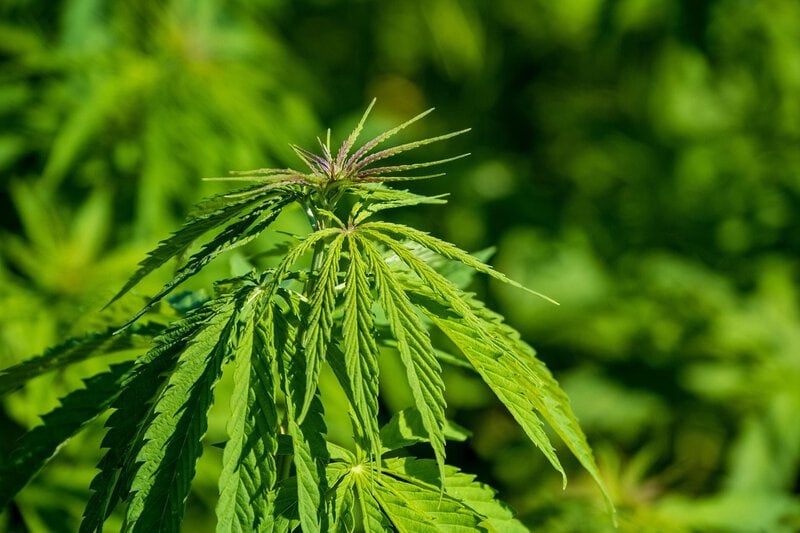
For decades, one of the more contentious arguments in archaeobotany has been deceptively simple: when ancient people grew cannabis, what were they actually after? Hemp fibers make excellent rope and cloth; the seeds are nutritious. A purely utilitarian explanation for ancient cannabis cultivation was always available, and skeptics used it to push back against claims of ceremonial psychoactive use whenever the evidence was ambiguous.
This tomb makes that ambiguity much harder to sustain. High-THC strains and ritual burial contexts had long suggested that at least some ancient cannabis use was aimed at the mind rather than the loom, but direct chemical proof from inside a human body had remained elusive — until now. The Siberian evidence provides the clearest argument yet that ancient people were specifically seeking cannabis for its mind-altering properties, and that the choice was deliberate, not incidental.
Why Siberia Preserved What Warmer Climates Could Not
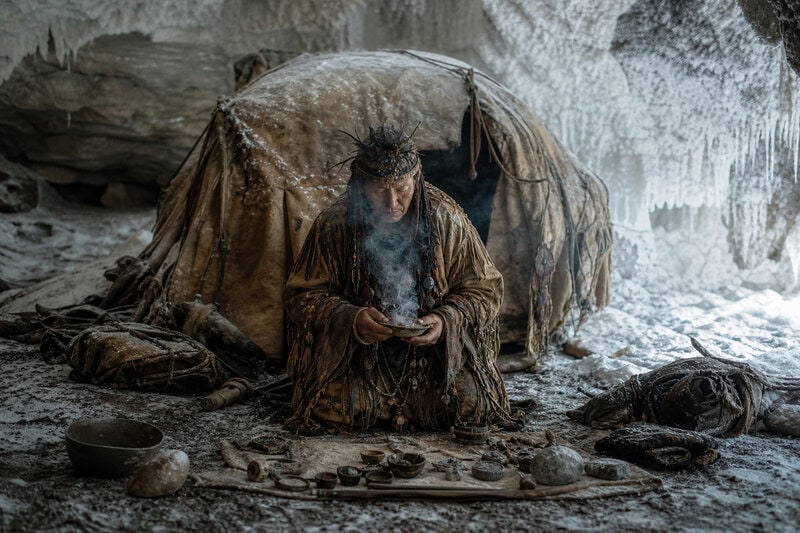
When people imagine the birthplace of ancient ritual drug use, Siberia rarely tops the list. Yet this discovery plants a flag firmly in the Eurasian steppe, a reminder of how much cultural complexity flourished in landscapes that history has often overlooked. Siberia’s extreme cold has worked quietly in archaeologists’ favor: acting as a natural deep-freeze, it has preserved organic materials — hair, seeds, plant matter — that would have decomposed beyond recovery in warmer climates within a few centuries.
The region’s inhabitants during the Iron Age were not strangers to cannabis ritual even before this discovery. The Greek historian Herodotus, writing in the fifth century BCE, described Scythian and related steppe peoples using cannabis vapor in what amounted to ritual steam-bath ceremonies — a description long treated as colorful ethnography that now looks increasingly like sober reportage on a well-established tradition.
The Research Goes Public, November 2026
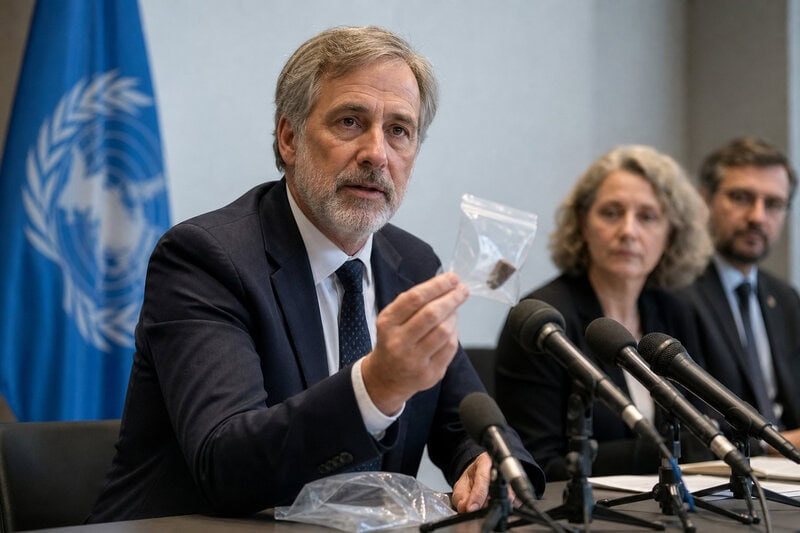
The findings reached the wider world on November 5-6, 2026, carried by an AP dispatch filed from Geneva — a dateline suggesting the study was announced through, or coordinated with, an international scientific body. Coverage appeared rapidly in outlets including US News and 1News, moving the story from academic circles to general audiences within hours.
When research of this significance is released through international channels rather than a single national institution, it typically reflects a peer-reviewed publication and a deliberate effort to reach a global scientific audience before the press cycle begins. The discovery of ancient humans using cannabis in burial rituals was, by any measure, the kind of finding that warranted careful handling.
What This Discovery Rewrites About the Deep History of Ritual Drug Use
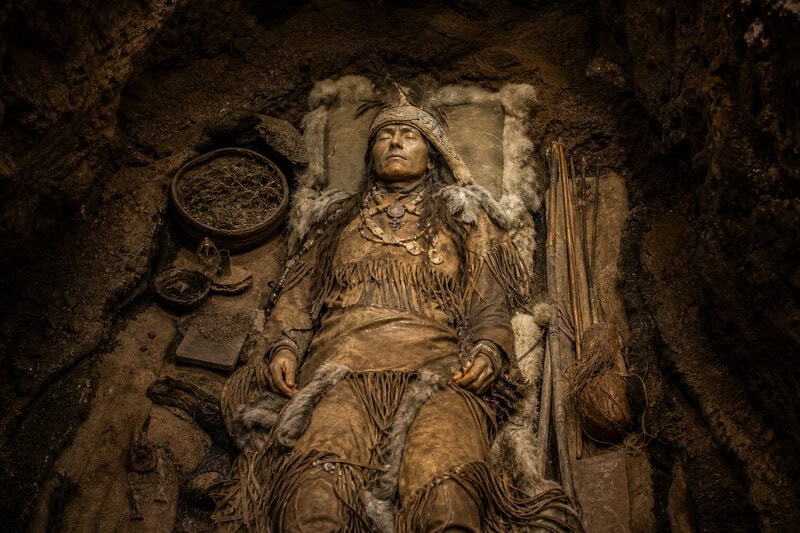
At 2,800 years old, the Siberian tomb now holds the earliest known direct evidence of a human being consuming cannabis for psychoactive purposes — not growing it, not storing it, not weaving it, but consuming it in a context suffused with spiritual meaning. That specificity matters enormously to researchers who have spent careers trying to separate ancient utilitarian plant use from deliberate consciousness alteration.
What the find ultimately suggests is something both humbling and consequential: the impulse to alter consciousness in sacred or ceremonial contexts is not a modern invention, a counterculture quirk, or a marginal behavior. It is ancient, it is widespread, and it is — as this frozen Siberian hillside quietly insists — deeply human. For scholars of religion, shamanism, and psychoactive plants in ancient history, the tomb offers a rare confirmed window into a practice that almost certainly predates even this find, but that now, at last, has a verified date and physical evidence to match.
Two thousand eight hundred years before anyone called it a counterculture, someone was laid to rest in Siberia with cannabis in the grave and cannabis in the hair — and the frozen earth kept the secret until we were finally ready to read it.