
St. Sepulchre really wasn’t the best place to live
…Unless you were into robbing graves or attending public executions, in which case it was arguably the best neighbourhood in London. Most of the action took place around the Church of the Holy Sepulchre—still the largest parish church in the city centre—or at scaffolds a couple of miles west at Tyburn, where every six weeks thousands of spectators would assemble to gawk at dozens of condemned men, women, and children being sent to meet their maker.
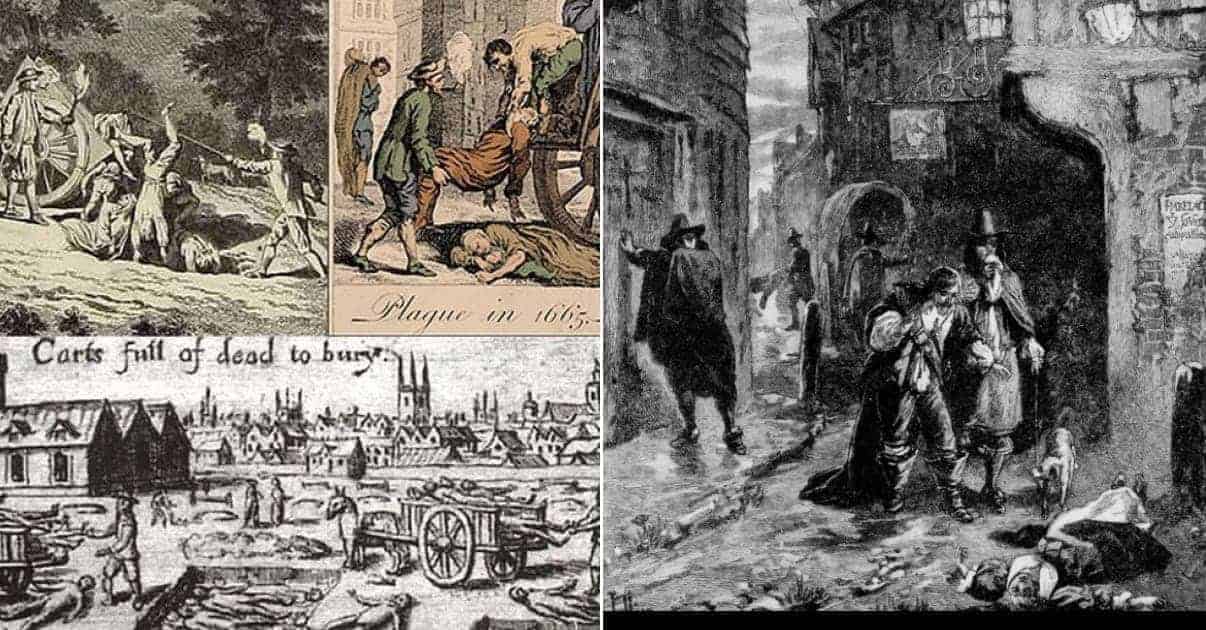
The Church of the Holy Sepulchre was founded around the middle of the twelfth century. It was all but completely destroyed by the Great Fire of 1666 (as you’re probably coming to realise, the seventeenth century was a really was a bad one…) before being rebuilt to take on its present form. Its extensive graveyard provided tempting pickings for thieving opportunists, especially when its necropolitan population would swell in the wake of one serious outbreak of another.
In fact grave robbing was such a popular pastime in the seventeenth century that the government ordered the building of a Watch House to deter potential miscreants. Grave robbers didn’t do it for the love of course. Medical students keen to get together for a good old fashion dissection paid handsomely for the bodies of recently deceased murderers (the only ones they would accept): around £50 which is a fortune in today’s money.
The church is still home to its original Execution Bell, the function of which is relatively easy to guess from the name. It would be rung whenever there was a public execution: partly to announce the family-friendly spectacle to those living close by, and partly to provide an uplifting soundtrack as the condemned made their short but terminal journey from nearby New Gate Prison or the Old Bailey to the scaffolds at Tyburn.


